

Operators urged to fit safety technology
10th June 2015
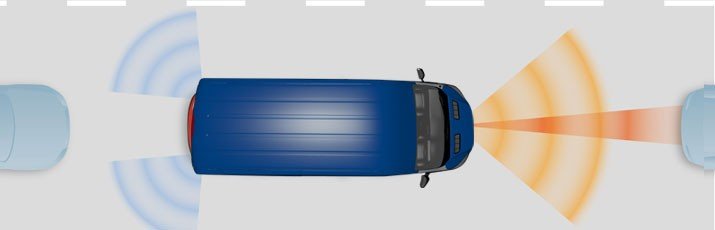
Many employers with vehicle fleets are not taking advantage of new technologies to protect vulnerable road users and deliver the business benefits of reduced crashes, bumps, scrapes and insurance premiums.
Despite the potential, a survey by Brake, the road safety charity, and Licence Bureau found that only 20% of HGV operators had rear-facing cameras on all vehicles, 8% had side-facing cameras on all vehicles, and 12% had side sensors on all vehicles.
The study found that HGV safety technologies that are mandatory under European law, such as under-run protection and wide-angle lenses, are present on almost all vehicles. Hence Brake is calling for more comprehensive regulation to ensure the widespread take-up of technologies such as automatically moving mirrors, side-view cameras and side sensors.
The study also found that while safety management technologies such as telematics are becoming widespread, there is scope to make far greater use of them. Half of the operators surveyed did not use telematics at all, and many of those who do report not making full use of them.
Brake is highlighting that while there is an initial cost, effective safety technology like telematics pays for itself through reduced incidents and insurance premiums. Many report recouping costs within a year and seeing long-term gains.
“Employers whose staff drive for work have a duty of care both to their own employees and other road users,” said Dr Tom Fisher, senior research and communications officer at Brake. “While not a panacea, blind spot devices and safety management kit like telematics have huge potential to reduce crashes and casualties, and bring down associated costs for the operator.
“Brake urges all fleet operators to go beyond the bare legal minimum to ensure their vehicles and drivers are as safe as possible. We are also urging government to put in place more comprehensive minimum safety standards, as this is the most effective way to ensure the widespread adoption of vital safety technologies.”