

The golden rules of van signwriting
7th November 2013
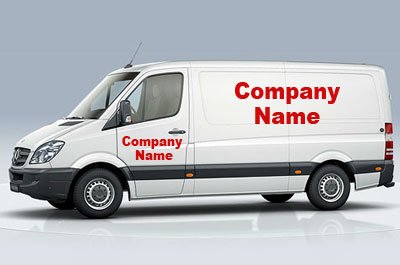
Industry estimates suggest that up to 3,000 people an hour will see a liveried vehicle operating in a busy area. How effective are the graphics on your vans?
According to Tobin Jenkins of Sign Language, there are some golden rules you must follow to guarantee that your vehicle graphics boost your marketplace profile and generate enquiries.
- Ensure the text is clear; a lot of small text can be hard to read, especially on a moving van.
- Limit the number of ‘contact points’ contained within the graphic. Most people will be on the move as well, so a response number or web address that’s easy to remember is key.
- The rear of a vehicle is the obvious place for text as information on the business can be clearly read by other road users.
- Less is more. The text should be contained within a 15% margin from the sides of the working area, such as the vehicle’s ‘box’ or doors.
- Avoid complicated designs that can be difficult to match if your vehicle is damaged and a reprint is required.
- Don’t use dark colours on dark-coloured vehicles. Most marketing design needs vibrant colours with vivid contrasts.
- A competitive price is important, but so is value for money. The vehicle wrapping and graphics industry is unregulated so always visit a potential supplier, analyse their work and, ideally, speak to existing customers.
- Ensure the correct vinyl is used. This depends on vehicle usage, the recess depth of the panels that livery is being applied to, and how long the graphics will be on the vehicle.
- If graphics are digitally printed rather than self-colour vinyl, a laminate needs to be applied unless it is being used for a short-term promotion.
- Some cheaper vinyl can be up to six times harder to remove and more susceptible to damaging paintwork, which means it will cost more to restore when you decide to sell your vehicle.
“Striking imagery means colourful creative artwork and photos, but the result should not be a cluttered vehicle wrap that is difficult to read,” said Tobin. “Equally, costs need to be carefully analysed. Not just the initial cost, but repair costs if a vehicle carrying a wrapping or livery is involved in a crash and removal costs at de-fleet time.”