

Safe van driving techniques for heavy rain
29th October 2012
The Institute of Advanced Motorists is offering driving advice in response to the current severe weather warnings for heavy rain and wind.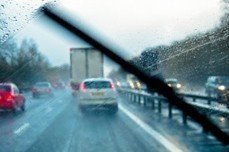
- Before setting off, set your heater controls – rain makes the windows mist up in seconds. You don’t want to be fiddling with controls when you should be concentrating on the road.
- Slow down. In the rain your stopping distance should be at least doubled. Giving yourself more space helps to avoid spray, especially when behind a large vehicle.
- Keep your eyes on the road ahead and plan your driving so that you can brake, accelerate and steer smoothly – harsh manoeuvres will unbalance the vehicle.
- Strong winds can also unsettle your van and even change your direction of travel. Grip the steering wheel firmly and be aware of the effects of the elements on other road users, particularly motorcyclists and flat-sided vehicles.
- See and be seen. As a rule of thumb, whenever you need to use your wipers you should turn your headlights on as well. Before overtaking, put your wipers on their fastest setting.
In cases of severe flooding, you should reconsider making the journey at all. If it is unavoidable, and you have to drive through deep water, then take the following precautions:
- Drive on the highest section of the road and don’t set off if a vehicle is approaching you.
- Leave time and space to avoid swamping other vehicles and pedestrians.
- If you can’t see where you are going to come out of the water, such as when approaching flooding on a bend, think twice about starting to drive into it.
- In deep water, never take your foot off the accelerator as this could allow water to travel up the exhaust pipe.
- Once you're out of the water, dry the brakes before you need them. The best way is to lightly apply the brake as you drive along for a few seconds, after checking nothing is following you too closely.
“A suddenly very wet road surface increases the chances of slipping when braking or steering, which is a problem not just for motorists but cyclists and motorcyclists too,” the IAM’s chief examiner Peter Rodger said. “When driving in wet conditions, remember that stopping distances will increase and visibility reduced. Drop your speed and give yourself more time to slow down.”