

Why van operators must manage the damage
19th November 2011
The total average cost of damage on LCVs inspected by BCA has risen by 18% year-on-year to £808 on average, with some examples breaking the £2,000 barrier. This is in spite of the fact that average age has remained static at 54 months, and average mileage has only risen from 71,000 to 73,000 in the same period.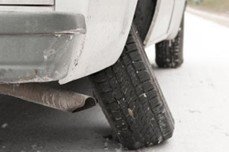
“More often than not, we see vans being sold where damage obviously occurred some time ago and has not been addressed by the owner or operator,” said BCA’s General Manager for Commercial Vehicles Duncan Ward. “It has deteriorated over time, rust has set in and economical SMART repair techniques cannot be used. A small area of damage that might cost tens of pounds to put right when it first occurred becomes a major repair costing hundreds some months later.
“It is a worrying trend that cannot be blamed wholly on contract extensions. It requires a cultural change in the way vans are managed – repairing or even stopping the first dent might mean that a second, third or fourth dent does not occur. If a driver gets in van and it barely has a straight panel on it, it is inevitable that less care will be taken of that vehicle.
“Similarly, drivers should be aware that it is their responsibility to report damage when it occurs. They should also be encouraged to keep the cab space in good order, because replacing interior trim, seats and headlining fabric is prohibitively expensive – again accidents will happen, but there is no excuse for negligence.
“The value of a mid-term inspection as a management control cannot be over-emphasised. If a van is inspected two or three times during a typical four year working life it will identify damage that could be rectified immediately, rather than waiting for this to be picked up at de-fleet time, when the cost to repair may have risen many times over. If a company car gets damaged, it gets repaired. The same stance should be taken with company vans.”
BCA has produced a six-step plan to managing in-service damage:
- Driver training.
- Driver logs and damage reporting.
- Stop the first dent.
- Rectify damage as it happens.
- Introduce annual costed independent inspections.
- Invest in meeting industry best practice standards.
“It is time to ditch the attitude of ‘it's only a van',” said Duncan. “Vehicles are regularly being offered for sale in a condition that literally wipes hundreds of pounds off their potential value.”