

Top tips for driving on snow and ice
13th December 2010
With the freezing conditions set to continue for some time, and if staying at home is not an option, the Institute of Advanced Motorists has issued some timely advice on driving on snow and ice:
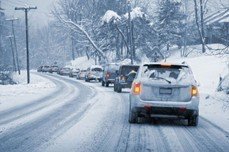
- When driving in snow, get your speed right – not so fast that you risk losing control, but not so slow that you risk losing momentum when you need it.
- Start gently from stationary, avoiding high revs. Stay in a higher gear for better control, and if it is slippery, in a manual vehicle move off in a higher gear, rather than just using first.
- If you get yourself into a skid, the main thing to remember is to take your foot off the pedals and steer.
- Only use the brake if you can’t steer out of trouble. Double or even triple your normal stopping distance from the vehicle in front so you are not relying on your brakes to be able to stop. It simply may not happen!
- It's better to think ahead as you drive to keep moving, even if it is at walking pace.
- Plan your journey around busier roads that are more likely to have been gritted. Avoid using short cuts on minor roads – they are less likely to be cleared or treated with salt, especially country lanes and housing areas.
- Bends are a particular problem in slippery conditions – slow down before you get to the bend, so that by the time you turn the steering wheel you have already lost enough speed.
- On a downhill slope, get your speed low before you start the descent. Don’t let it build up – it is much easier to keep it low than to try and slow down once things get slippery.
If the worst does happen:
- Keep track of where you are. If you have to call for assistance, you need to be able to tell the breakdown or emergency services your location so they can find you.
- If you must leave your vehicle to phone for assistance, find a safe place to stand away from the traffic flow. If you have just lost control, another driver could well do the same in the same place.
- On motorways and dual carriageways, it is always better to leave your vehicle and stand a short distance behind and to the safe side of it. Don't stand in front of it.